Newcastle University: From College to City Institution
Newcastle University became independent in 1963, but its roots trace to Armstrong's Victorian college of science. Discover the city's modern university story.
Browse every article about Modern Newcastle.
Newcastle University became independent in 1963, but its roots trace to Armstrong's Victorian college of science. Discover the city's modern university story.
Opened by King George V in 1928, the Tyne Bridge became Newcastle's defining symbol, its through-arch design later echoed by Sydney Harbour Bridge.
The Animals carried Newcastle's voice into the global charts of the 1960s. Discover the band that put the city on the map for a whole new generation.
Opened in 1835, Grainger Market survived two world wars, changing shopping habits and redevelopment pressure to remain a beloved Newcastle institution.
T. Dan Smith dreamed of a Brasilia of the North. Discover the ambitious, and ultimately scandal-hit, council leader who reshaped postwar Newcastle.
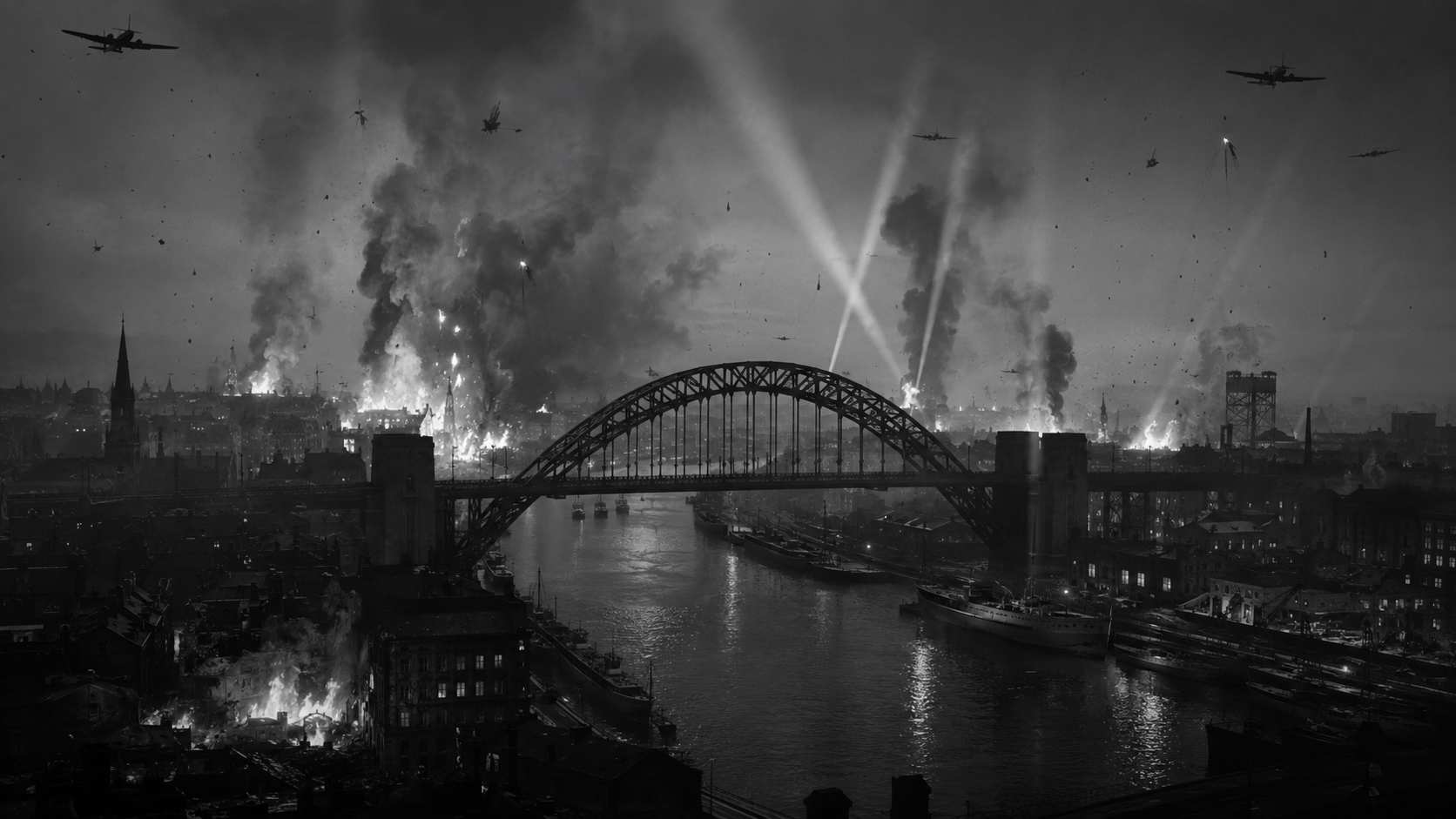
Between July 1940 and December 1941, Luftwaffe raids targeted Newcastle's bridges, shipyards and factories. This is the story of the Newcastle Blitz.
After the Second World War, Newcastle cleared thousands of overcrowded Victorian homes, replacing them with new estates. Discover the postwar housing story.
Newcastle's Theatre Royal, dating to Grainger's Victorian redevelopment, survived fire and decline to become a thriving modern cultural landmark on Grey Street.
In 1974, sweeping local government reform created the metropolitan county of Tyne and Wear, redrawing Newcastle's administrative map after centuries.
From Irish dockworkers to postwar Commonwealth migration, discover how successive waves of newcomers have shaped modern Newcastle's communities.
Once lined with declining warehouses, Newcastle's Quayside was transformed from the late 1980s into the bars, offices and riverside walkways of today.
The 1984-85 Miners' Strike marked the beginning of the end for coal mining communities around Newcastle, closing a chapter that had lasted nearly a thousand years.