St Nicholas: Newcastle's Medieval Lantern Tower
Completed in 1448, the lantern spire of St Nicholas' Church once guided ships up the Tyne after dark. Discover the medieval building behind Newcastle's cathedral.
From the Roman fort of Pons Aelius to the shipyards that armed an empire, this is the story of Newcastle upon Tyne told era by era. Browse articles covering the people, buildings and events that shaped the city, or filter by period below.
Completed in 1448, the lantern spire of St Nicholas' Church once guided ships up the Tyne after dark. Discover the medieval building behind Newcastle's cathedral.
Every ship needs a chain and an anchor. Discover the specialist Tyneside trade of chain and anchor making that quietly supported the region's shipbuilding boom.
In 1400, Henry IV granted Newcastle a remarkable privilege: independence from Northumberland as a county in its own right. Discover the charter that changed everything.
Around AD 400, nearly three centuries of Roman occupation on the Tyne came to an end. Discover how Pons Aelius and Hadrian's Wall's garrisons were abandoned.
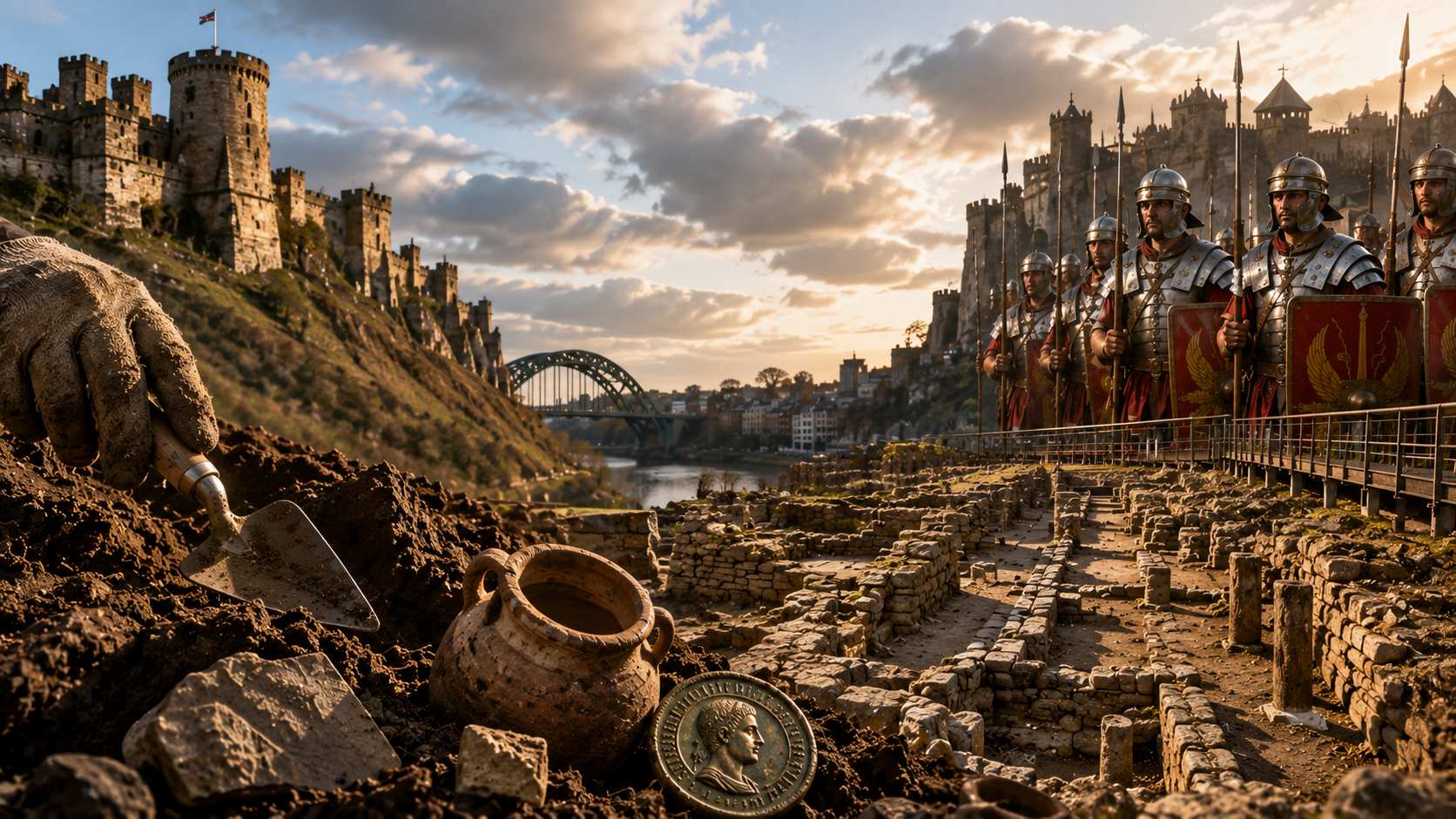
From accidental Victorian finds to systematic digs starting in 1929, discover how archaeologists gradually pieced together the story of Roman Newcastle.
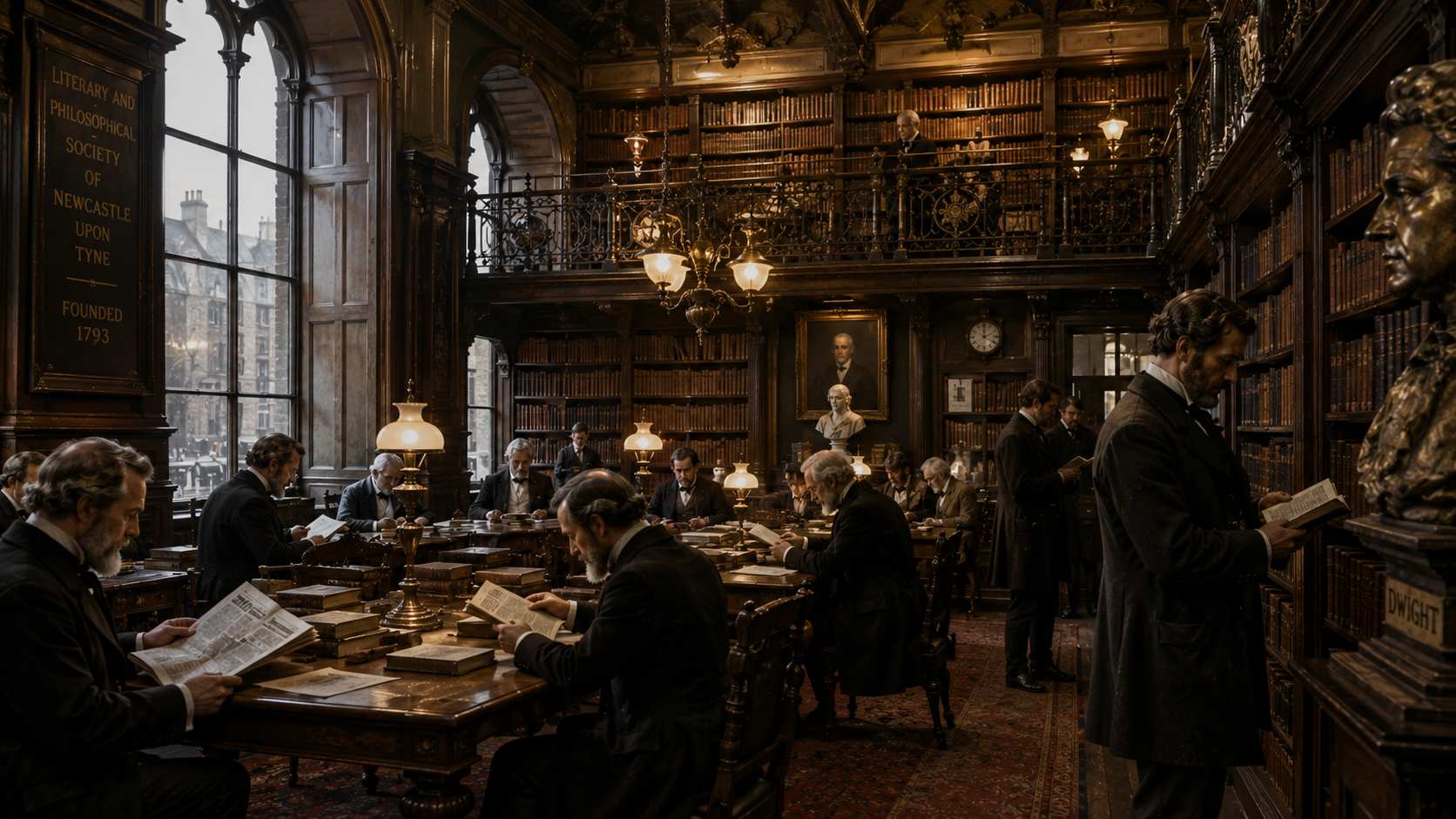
More than just a library, the Literary and Philosophical Society was Victorian Newcastle's intellectual engine room. Discover the story of the Lit and Phil.
From the keelmen's strikes to organised shipyard unions, industrial Tyneside developed one of Britain's most significant early labour movements.
In October 1936, 200 unemployed men marched 300 miles from Jarrow to London to demand work. Discover the Depression that devastated Tyneside's shipyards.
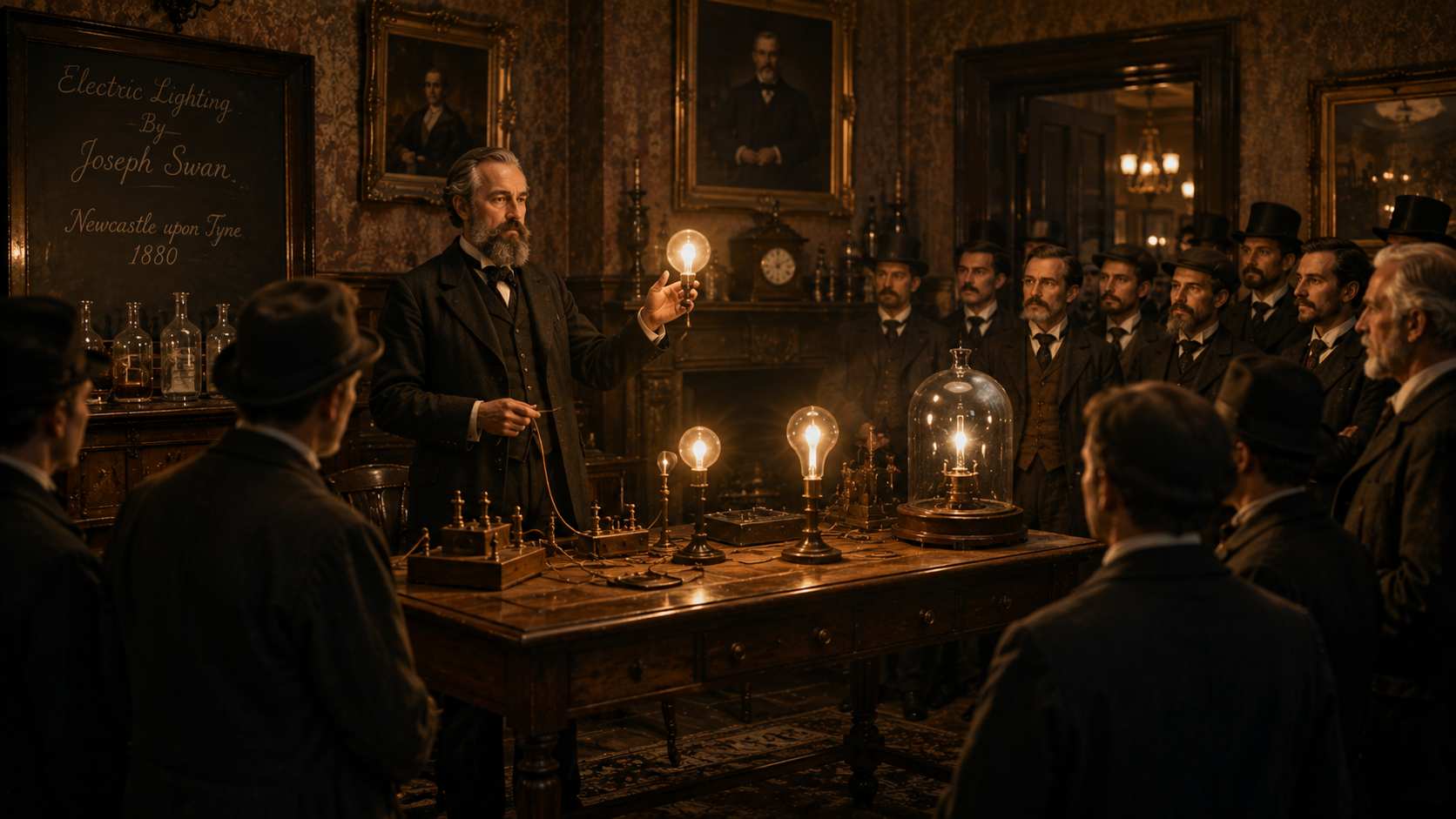
In 1880, Newcastle's Lit and Phil became the first public room in the world lit by electric light bulbs, thanks to local inventor Joseph Swan. Discover the story.
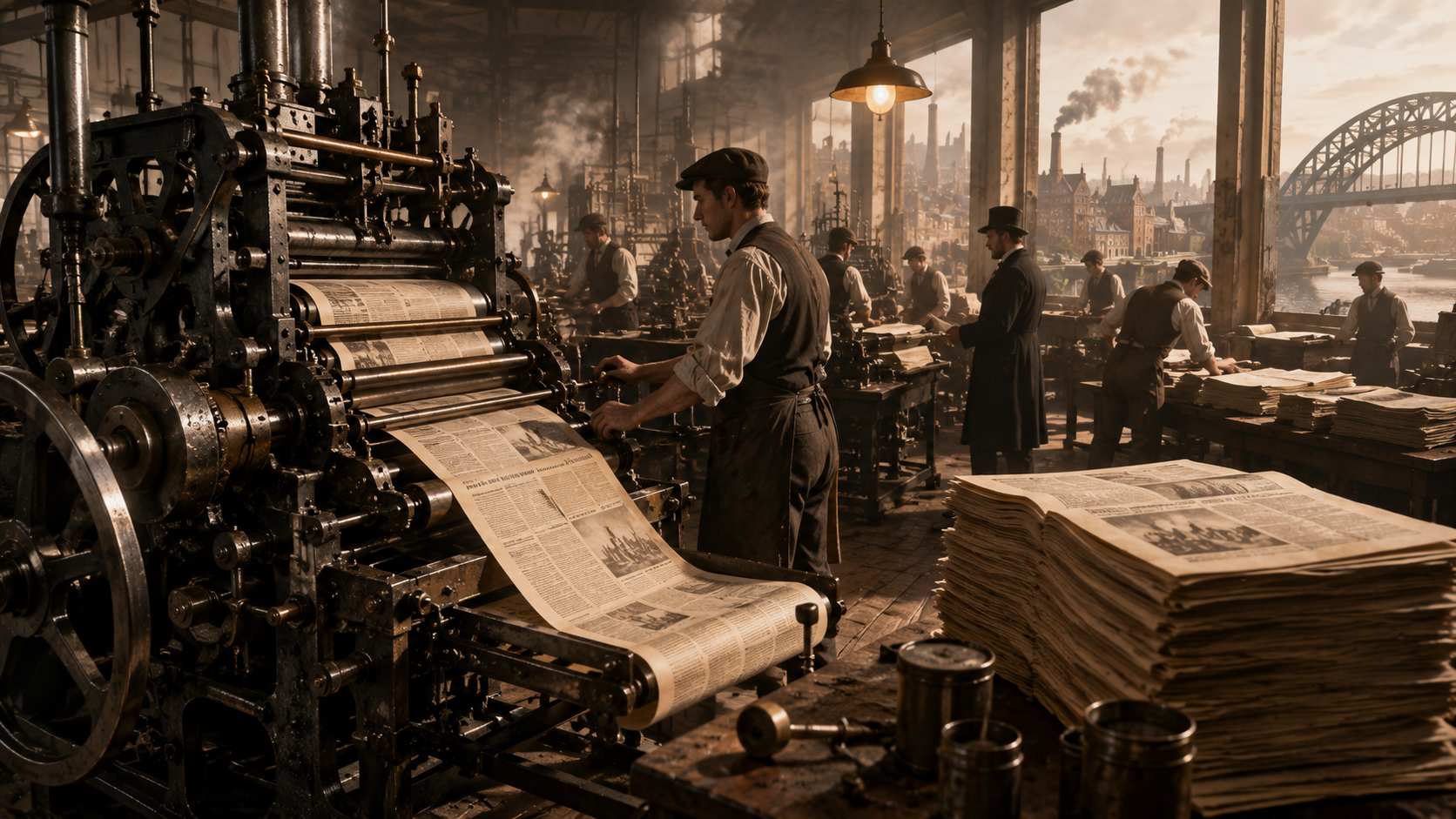
Victorian Newcastle's rapid growth created demand for local news, giving rise to a competitive, influential local press that shaped civic debate.
Industrial Newcastle's population exploded during the nineteenth century, transforming a modest county town into a major British industrial city.
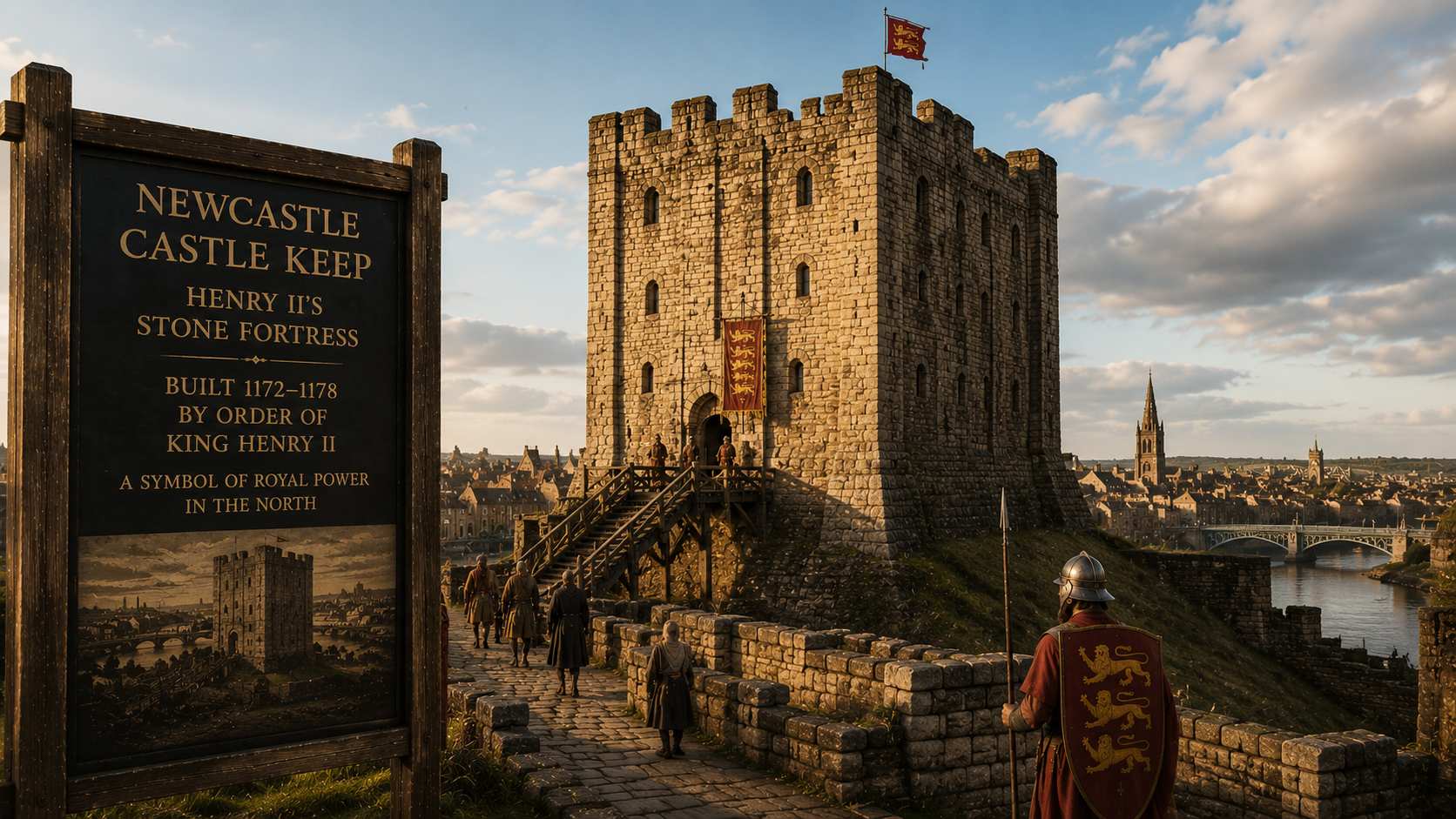
From Robert Curthose's wooden motte to Henry II's stone keep, discover how Newcastle Castle rose on the site of a Roman fort and gave the city its name.